I Bought the Expensive Chair Anyway
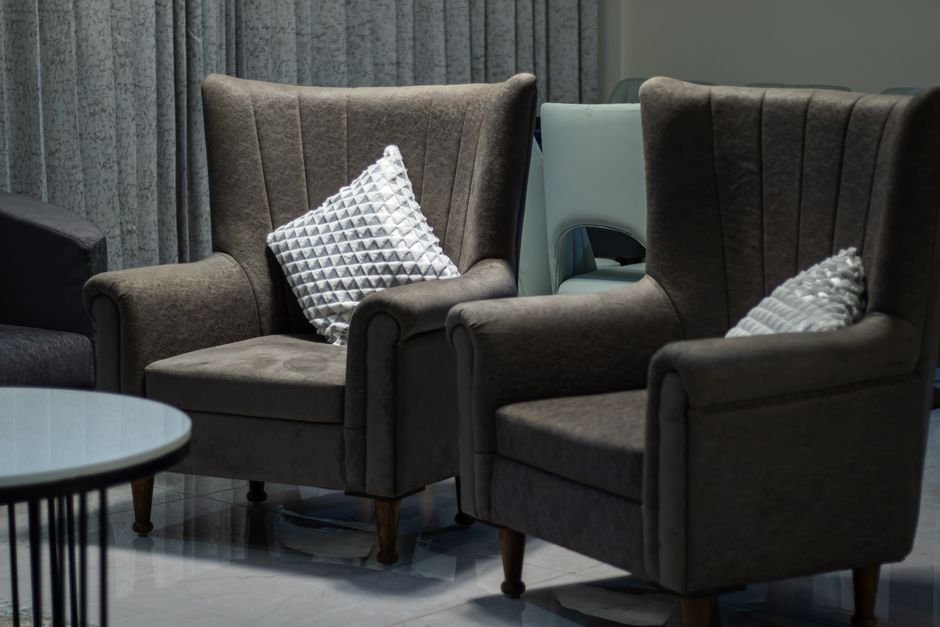
I found the pulled thread on a Tuesday morning, standing there with a coffee in one hand, still in the mood I get in when I like my own living room. It was on the inside face of the right arm, low down, near where the arm meets the seat. About two inches of the weave had lifted into a small ridge. Mabel was asleep on the ottoman four feet away with the specific serenity of a cat who has no idea she is the subject of anything. The chair had been in the house nine days.
Eight months of saving for one chair
I had wanted a proper armchair for years. Not a filler chair, an actual anchor for the corner of the room, and I had a clear picture of it. I set money aside for eight months to get there, and I want to be honest that a good part of the appeal was the idea of finally owning one nice thing that I had chosen carefully rather than settled for.
The delivery day was genuinely a good day. I moved it three times before I found the angle I wanted, sat in it with the afternoon light coming across, and thought about how long I would have it. That is the frame of mind I was in. I had bought a permanent object.
The first week I stood guard
What I actually did for nine days was patrol. I steered Rowan around the corner where it sat. I moved Mabel off it twice, and both times I felt like a person doing something slightly ridiculous in his own home. I did not put a throw on it, because the whole point was that I would finally have one piece of furniture that looked like itself.
I have thought about that week a lot since. I spent eight months of restraint to buy an object that then made me tense every time an animal walked past it. That is a strange thing to have paid for. The chair was not the problem. The story I had attached to it was, and the story required a version of my house that does not exist.
The morning I found the seam
Here is what actually made the pull, as far as I can reconstruct it. Mabel gets down off the back of the sofa, crosses in front of the chair, and takes the inside arm on the way to the window. Not a sustained thing. One nail catching once, on a weave that had a little more space between threads than I had noticed under showroom lighting.
My first reaction was disproportionate. My second, about a day later, was that I had known this would happen. Not suspected. Known. I have lived with these animals for years and I have a hall closet full of evidence about how upholstery goes in this house, and I bought a loose weave in a pale color anyway because I wanted the object I had been imagining rather than the object that fits my life. The purchase was not a mistake of information. It was a mistake of wishful thinking, which is worse, because I cannot blame the description on the tag.
What the money actually bought
Two years on, I can separate what the price got me from what it did not, and the split is clean.
What it bought: a frame that does not move at all, a seat that has not sagged in the middle the way every cheaper chair I have owned eventually did, and cushions that still hold their shape after being sat on daily and slept on by a dog most afternoons. The structure is excellent. If the chair were bare wood, it would look brand new.
What it did not buy: any resistance whatsoever to a nail entering a weave. Fabric does not care what the frame under it cost. The surface of an expensive chair fails exactly the way the surface of a cheap chair fails, at more or less the same speed, and the only thing the money changed was how much it stung. If anything, spending more made it worse, because I had constructed a higher standard for the thing to fall from.
The cheap thing that has aged better
Six feet away is a small side chair I got at a yard sale for very little, dark wood frame, a flat tight woven seat pad in a mottled brown. It has been in the room longer than the good chair. It has been walked on, slept on, and rammed by a dog turning a corner too fast, and it looks essentially the same as the day I carried it in.
It is not better made. The frame has a slight give if you twist it, and the pad is thin. It just happens to be dark, tight, textured, and cheap enough that I never once thought about protecting it. Three of those four qualities are functional. The fourth is psychological, and in daily life the psychological one might matter most.
What I would do with that money now
I would put it into the frame and spend almost nothing on the surface. A good frame with a plain, dark, tightly woven cover that I can strip off and wash, or replace outright in a few years when the arms have gone fuzzy, which they will. Treat the upholstery as a wear layer with a lifespan instead of as the thing you are buying.
The chair is still in the corner and I still like it. The right arm has three pulls now instead of one, there is a cover over the seat, and I sit in it every evening without thinking about any of that. It took about a year to stop seeing the damage. The part I would take back is not the money. It is the nine days I spent guarding a chair in a house that belongs to three of us.