Why I Buy Used Furniture Now
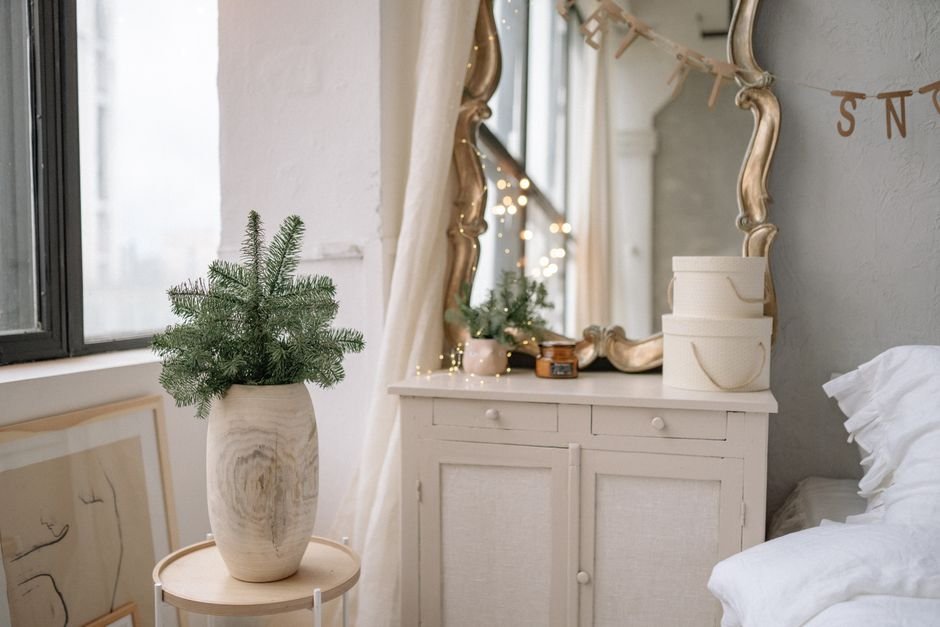
The dresser came out of an estate sale in a neighborhood of small brick houses, and it already had a scar. Someone had dragged something across the top left corner years before I got there, a shallow gouge about four inches long that had darkened with age until it looked almost intentional. I paid for it, got it into the car with a stranger’s help, and put it in my bedroom. Two weeks later Rowan caught the leg with a nail on his way past. I looked at the new mark, looked at the old one, and felt nothing at all. That reaction was new, and it is the reason most of my furniture is secondhand now.
The dresser that came pre-damaged
Before that, my anxiety about furniture had a specific shape. I would buy something new, and for the first month I lived in a low grade state of guarding it. Not petting the dog near it. Steering guests away from it. Getting up mid conversation because the cat was doing that thing where she stretches and one nail catches on an edge.
The first mark always came anyway, and it always felt like a small loss. What the estate sale dresser taught me is that the loss is not really about the object. It is about the gap between how the object looked when I paid for it and how it looks now. Buy something that has already lived through twenty years of someone else’s life, and that gap is close to zero on day one. There is no pristine version in your head to compare against.
New furniture made me tense in my own house
I do not think I understood how much energy that guarding took until it stopped. There is a real difference between a living room where two animals live and a living room where two animals live under supervision. The second one is exhausting for everybody, and I was the one generating it.
Now when Rowan puts a claw into the leg of the coffee table, it goes on the pile with the ring stains and the previous owner’s dings. When Mabel decided that the side of my dining chair was worth a few passes, the chair was already a hundred year old thing with two repaired joints and a finish that had gone patchy along the back. It absorbed the event. A new chair would have registered it as damage. The same event, two completely different feelings, and the only variable was what I paid and when the piece was made.
Old frames were put together differently
There is a practical argument underneath the emotional one. Most of the older wood furniture I have bought is heavier than its modern equivalent, joined with actual joinery rather than fasteners and glue blocks, and built from solid stock instead of a veneered core. That matters in a house with a dog who moves fast and turns hard.
Weight in particular is underrated. My old dining table does not shift when sixty pounds of dog collides with a leg at speed, and a lighter table would have gone across the floor. Solid stock matters for a second reason. A gouge in solid wood exposes more wood. A gouge through a thin veneer exposes the substrate underneath, which never looks like anything but damage and cannot really be sanded back. Half the modern pieces I have owned were unrepairable the moment they were scratched.
What I check in a driveway before I load anything
My inspection routine is short and I do it in front of the seller, which nobody has ever minded. I grab the piece by two opposite points and try to twist it gently, because a rack or a click tells me the joints have already loosened. I look underneath, where you can see whether it is joined or screwed, whether previous repairs were done well, and whether there is a substrate hiding under a face veneer.
Then I do the part that matters most in a house with animals, which is the smell test on anything soft. I put my face close to the upholstery and breathe in. If there is any odor at all, I walk away, because odor in foam is not something I have ever successfully removed. I also run a hand along the underside of upholstered seats, since that is where old moisture damage tends to be honest with you.
What I will not buy secondhand
Mattresses, obviously. Beyond that, I avoid upholstered pieces where the covers do not come off, unless the price is low enough that I am really buying a frame and planning to have it recovered. The reason is not hygiene, exactly. It is that in this house, upholstery is a consumable. A piece whose fabric I cannot remove and wash is a piece I will be unhappy with in two years no matter how good it looked in the driveway.
I also stopped buying anything with a cane or rush seat, which I learned the expensive way. Woven seats are exactly the kind of open structure a nail slides into, and once one strand of cane goes, the whole panel starts to unravel. I bought a beautiful old side chair, watched it come apart over a summer, and took it to the curb.
The math I actually care about
People assume the appeal is the money, and the money is genuinely good. But the number I actually care about is how many times a week I get irritated at an animal for doing something completely ordinary. When my furniture was new, that number was high. It is close to zero now, and nothing about the dog or the cat changed.
My rule these days is simple. If a piece is going to sit at floor level in a room where they live, it gets bought used, heavy, solid, and already marked. The things I buy new are the things they cannot reach, which in my house is a very short list, mostly consisting of lamps and one shelf mounted high on a wall.