The Dog Clock And The Cat Clock
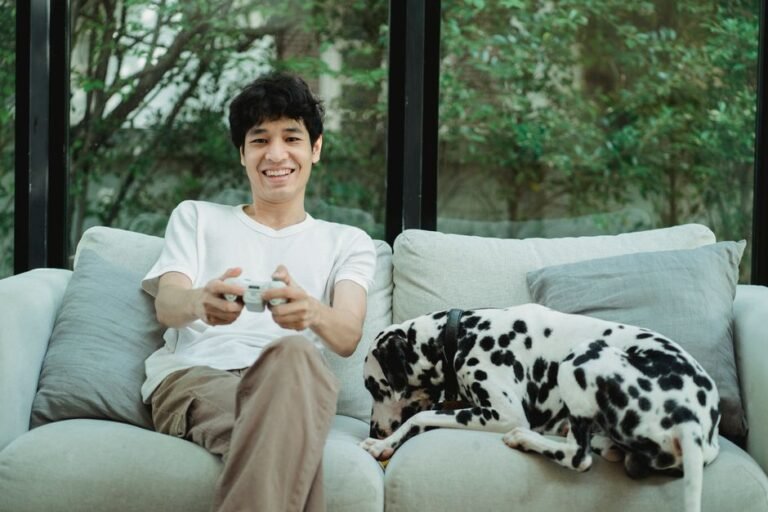
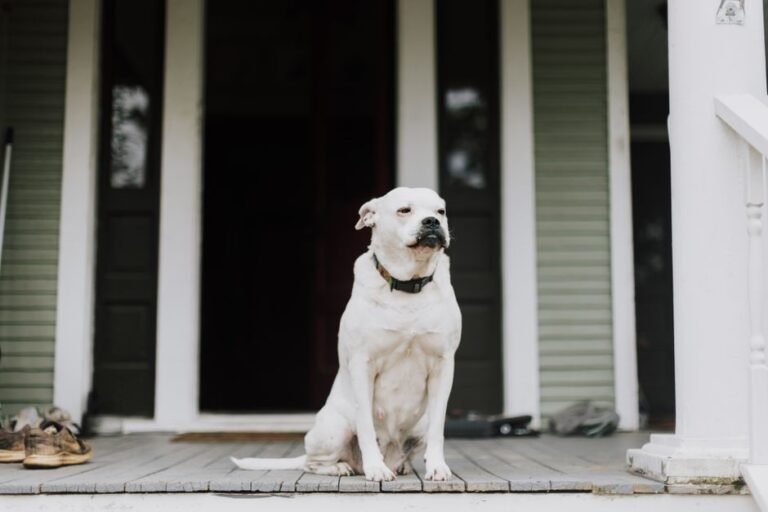
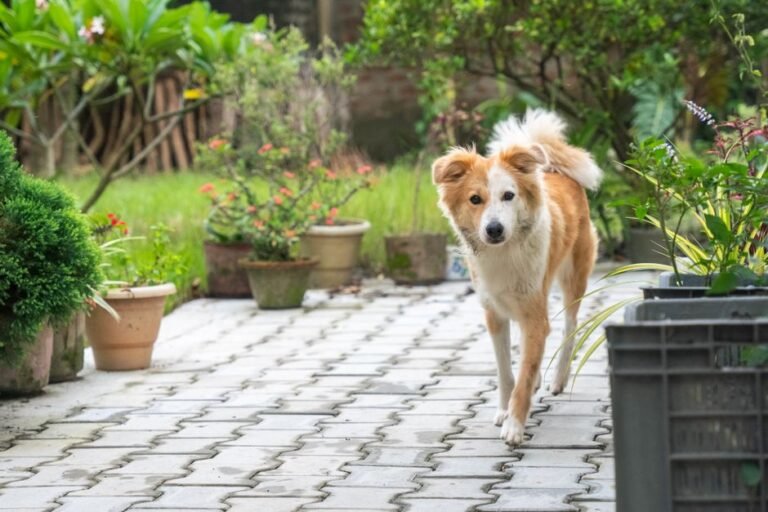
Around four in the afternoon our dog stands up from wherever he has been lying, walks to the middle of the living room, and looks at me. Nothing has happened. No car outside, no noise, no change in light that I can detect. He just arrives at four and requests that I acknowledge it.
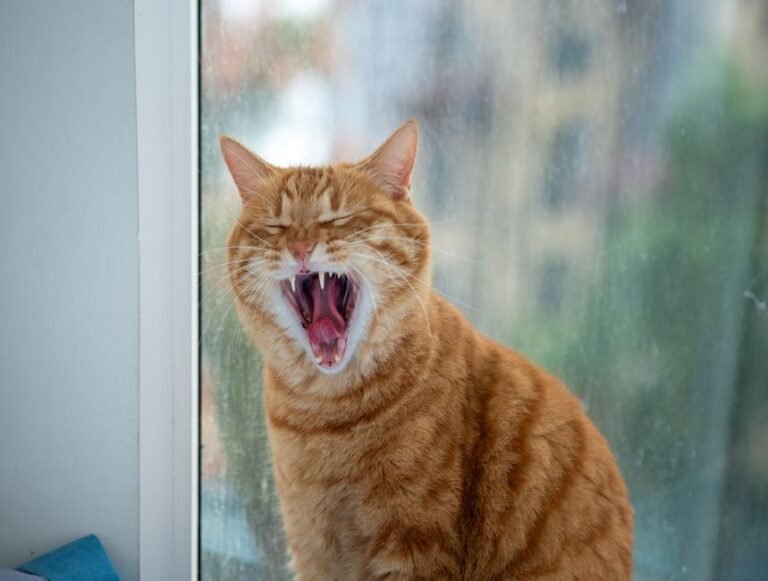
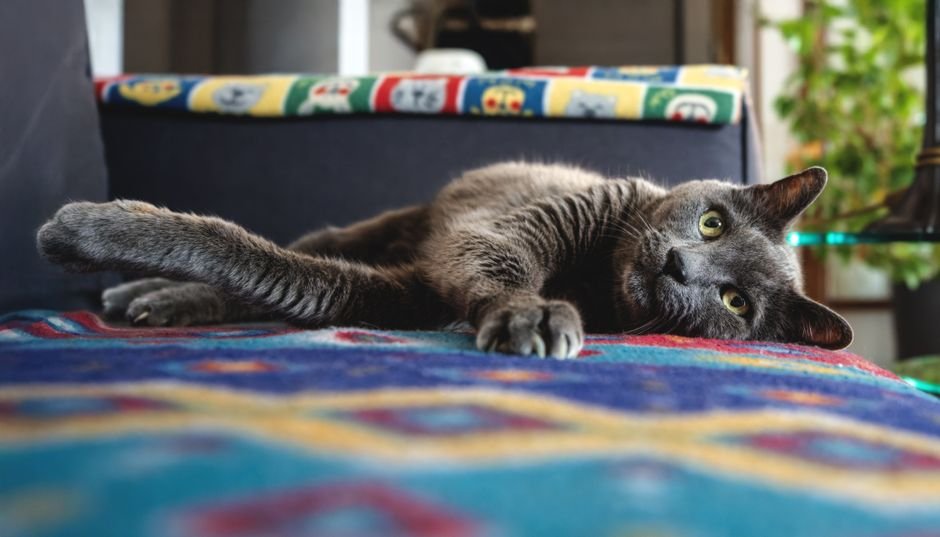
The cat, meanwhile, is asleep in the exact position she has been in since eleven, in a rectangle of sun that has been slowly sliding across the rug, and she will move when the rectangle moves and not before. Two animals, one room, two completely unrelated days.
Two Animals, Two Completely Different Days
I think people who have only had one species at a time miss how strange this is. I certainly did. I assumed that living in the same house on the same floor with the same humans would produce roughly the same shape of day for both of them.
It does not. They overlap for maybe three hours out of twenty four, and even those hours are overlapping by coincidence rather than by shared interest. The dog is awake and available for most of the time that I am awake and available. The cat is running a schedule with two peaks at the ends of the day and a long trough in the middle, and my working hours land almost entirely in the trough.
For a long time I found this vaguely insulting on the cat’s behalf, like she was missing out. She is not missing out. She is doing exactly what she wants at every hour. I was the one applying a dog framework to a cat.
The Dog Runs On Events
His entire clock is built out of things that happen. The closet door. The kettle. The specific sound of my laptop closing, which he learned faster than I would have believed and which now means the evening has started whether or not I intended it to.
What is interesting is that he does not seem to track duration well at all. Ten minutes and two hours produce a similar greeting. But he tracks sequence beautifully. He knows that thing A is followed by thing B, and if I do them out of order he stands there recalculating.
This has an obvious practical consequence, which is that I have accidentally given him a bunch of cues I never meant to give. The four o’clock thing is almost certainly not four o’clock. It is probably some combination of light angle, the sound of the neighbor’s routine, and the fact that I have some habit at that time I am not aware of. He built a clock out of my behavior without me noticing I was providing one.
The Cat Runs On Light
Hers is simpler and much less about me. It tracks the sun.
In winter she is on the couch arm by three because that is where the light is. In June that same spot is useless at three and excellent at seven, and she has moved accordingly, without any transition period that I could observe. She simply relocated one week and never went back.
I asked our vet about the dawn and dusk activity once and she used the word crepuscular, which describes animals naturally most active in those low light windows. She was careful to say that individual cats vary a lot and that a cat’s pattern is worth mentioning at appointments mostly because a change in it can be meaningful. But it did reframe the whole thing for me. The cat is not on my schedule or the dog’s schedule. She is on something considerably older than either.
Where The Two Schedules Collide
There are two reliable collisions per day and they are both in the kitchen.
Morning is the worse one, because both of them want something at the same time and the dog is physically larger and takes up the whole floor. Evening is easier because by then the dog has had his outdoor time and is in a considerably calmer mode.
I am not going to tell you how much or how often anyone in this house eats, because that is set with our vet and it is specific to these two animals, their ages, and their weights. What I will happily talk about is geography. Moving where things happen fixed most of what I thought was a timing problem. The two of them are not competing over the moment. They are competing over about four square feet of floor. Separating the four square feet ended the whole conflict, and it took me an embarrassingly long time to figure out because I kept trying to solve it as a scheduling issue.
The Hour Nobody Is Awake But The Cat
Somewhere around two or three in the morning she has a period of activity that I only know about from evidence rather than observation.
Things are in different places. A hair tie has migrated. There is a specific sound of paws on the stairs, fast, going down and then coming back up, that I have half heard many times and never once been awake enough to investigate.
The dog sleeps through all of it. He is at the foot of the bed and he does not stir. Whatever the cat is doing at three has been reviewed by the dog and deemed not his concern, and I find that funny every time I think about it. In a house of four, two of us are asleep, one is running a private night shift, and one of us has decided to sleep through it as a policy.
Building A House Around Two Clocks
The practical version of all this is that our house has quietly been zoned by time rather than by function.
The couch arm belongs to the cat during daylight and the couch belongs to the dog in the evening. The kitchen has an unofficial one animal at a time rule in the morning. The upstairs hallway is the cat’s at night and nobody else’s. There is a chair I no longer sit in between about two and five in the afternoon, and I could sit in it, and I do not, because moving her feels rude.
I did not design any of this. It settled. And the strange result is that a house with two animals on two incompatible schedules is actually calmer than the one animal version I imagined, because they are almost never asking for the same thing at the same time. They pass each other on the stairs like coworkers on opposite shifts, and mostly they leave each other alone.